Our Research
From wireless microwave power to programmable and zero-waste RF sensors.
Green Radio frEquency ENabled Electronics research was established by a Royal Academy of Engineering and the Office of the Chief Science Adviser for National Security through the U.K. Intelligence Community Research Fellowship, and is now supported predominantly by EPSRC and UKRI, through a Programme Grant and Research Centre, along with projects from other funders.
We are part of the Centre for Advanced Electronics (CAE), the Electronics and Nanoscale Engineering Division, and as a founding element of the UKRI Responsible Electronics and Circular Technologies "REACT" Centre.
From wireless microwave power to programmable and zero-waste RF sensors.

Original and review articles in authoritative venues. Open access from our repository.
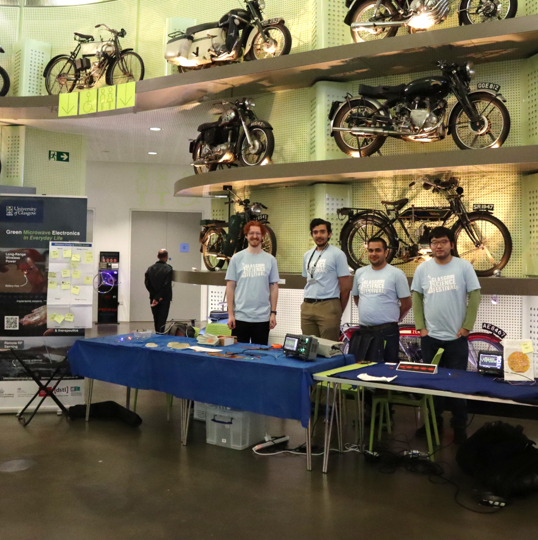
Public engagement and research communication
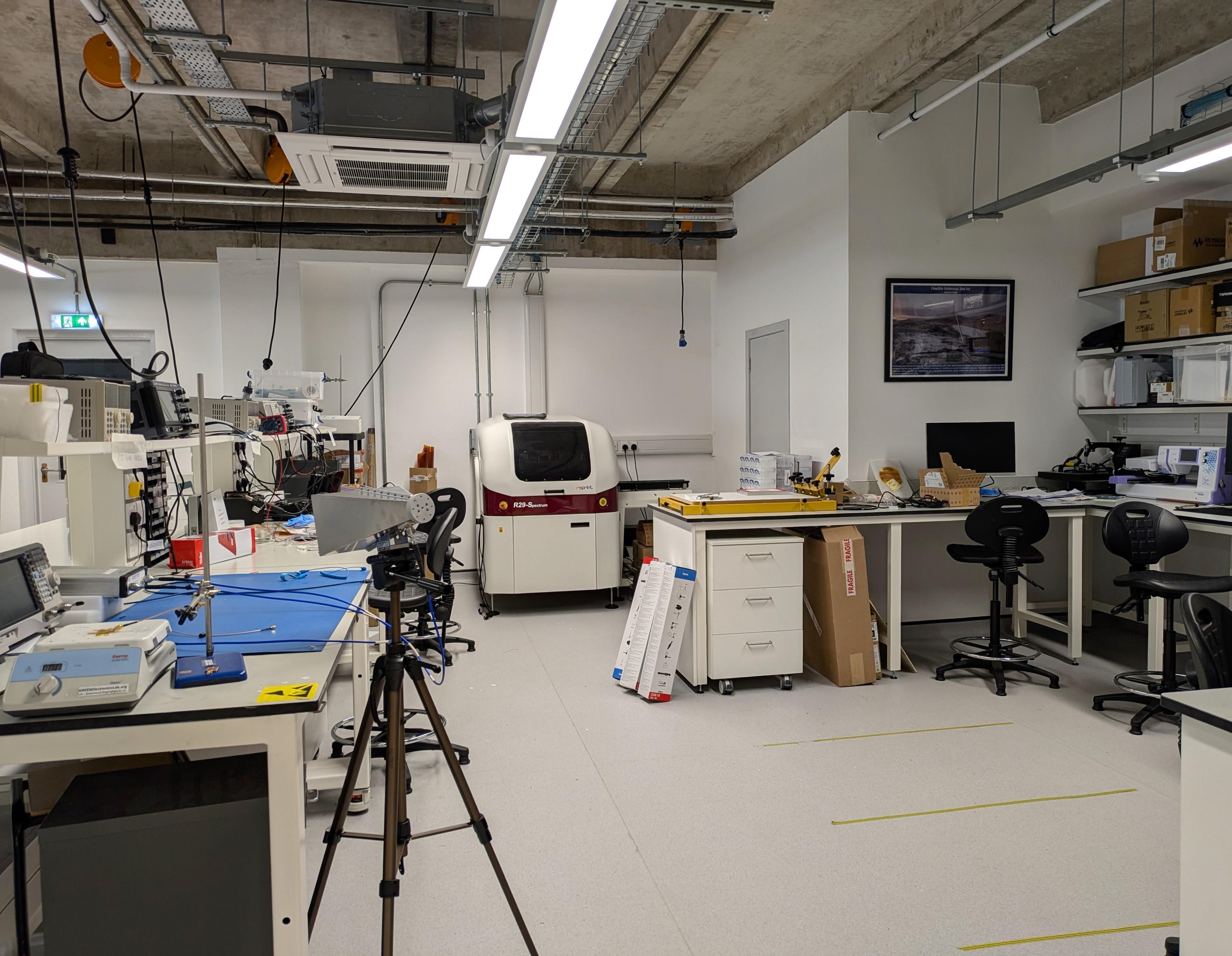
World-leading facilities, from fabrication to characterisation and system integration
"Using electromagnetism as an energy source to power batteries, is of central importance to designing devices for future threat detection [...] I am looking forward with great anticipation to the outcomes of this cutting-edge research."
- Alex van Someren, Chief Scientific Adviser for National Security to HM Government












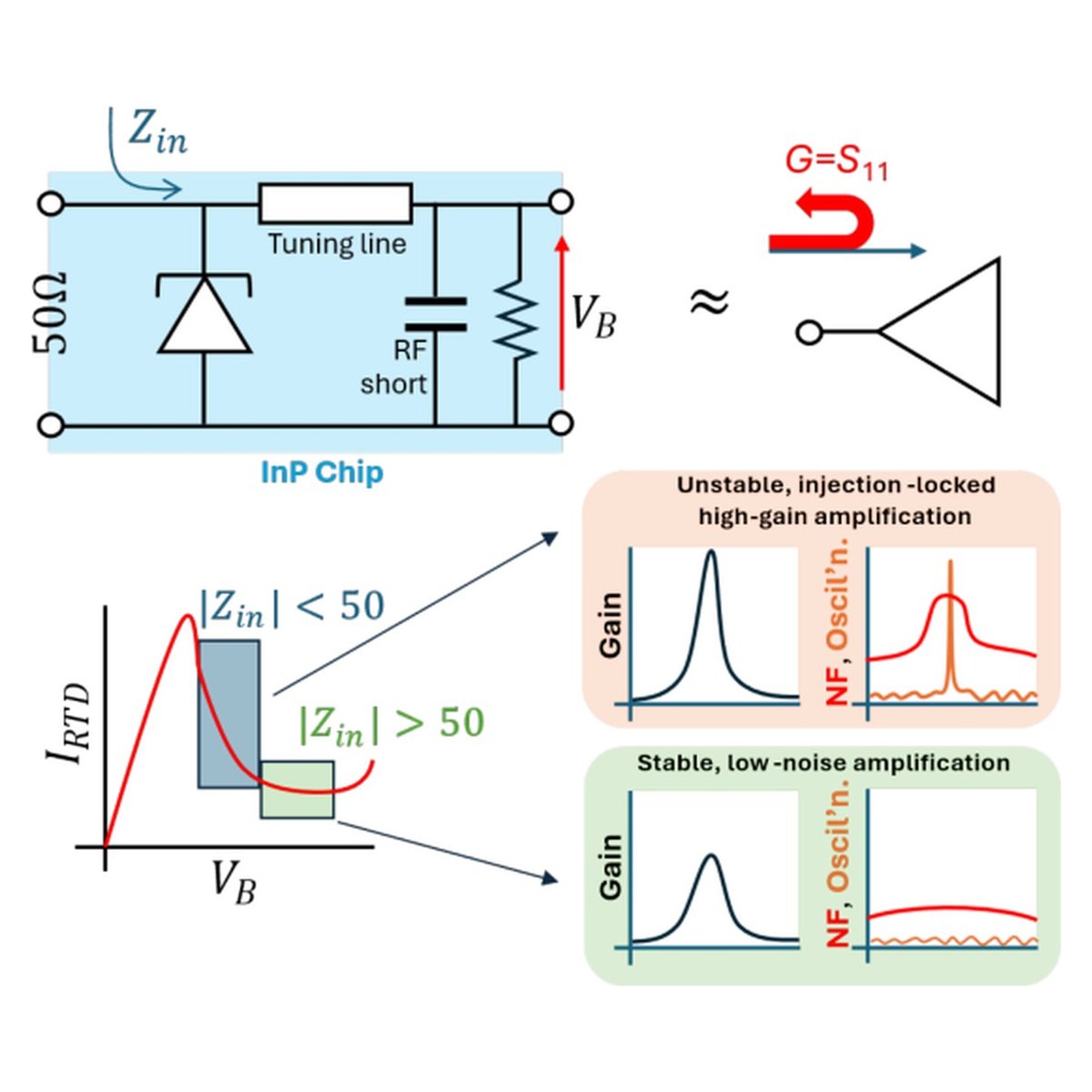
The first experimental demonstration of InP resonant tunnelling diodes as one-port mmWave reflection amplifiers, tunable between stable low-noise and high-gain operation, with the highest mmWave gain reported among reflection amplifiers. IEEE Transactions on Microwave Theory and Techniques, 2026.
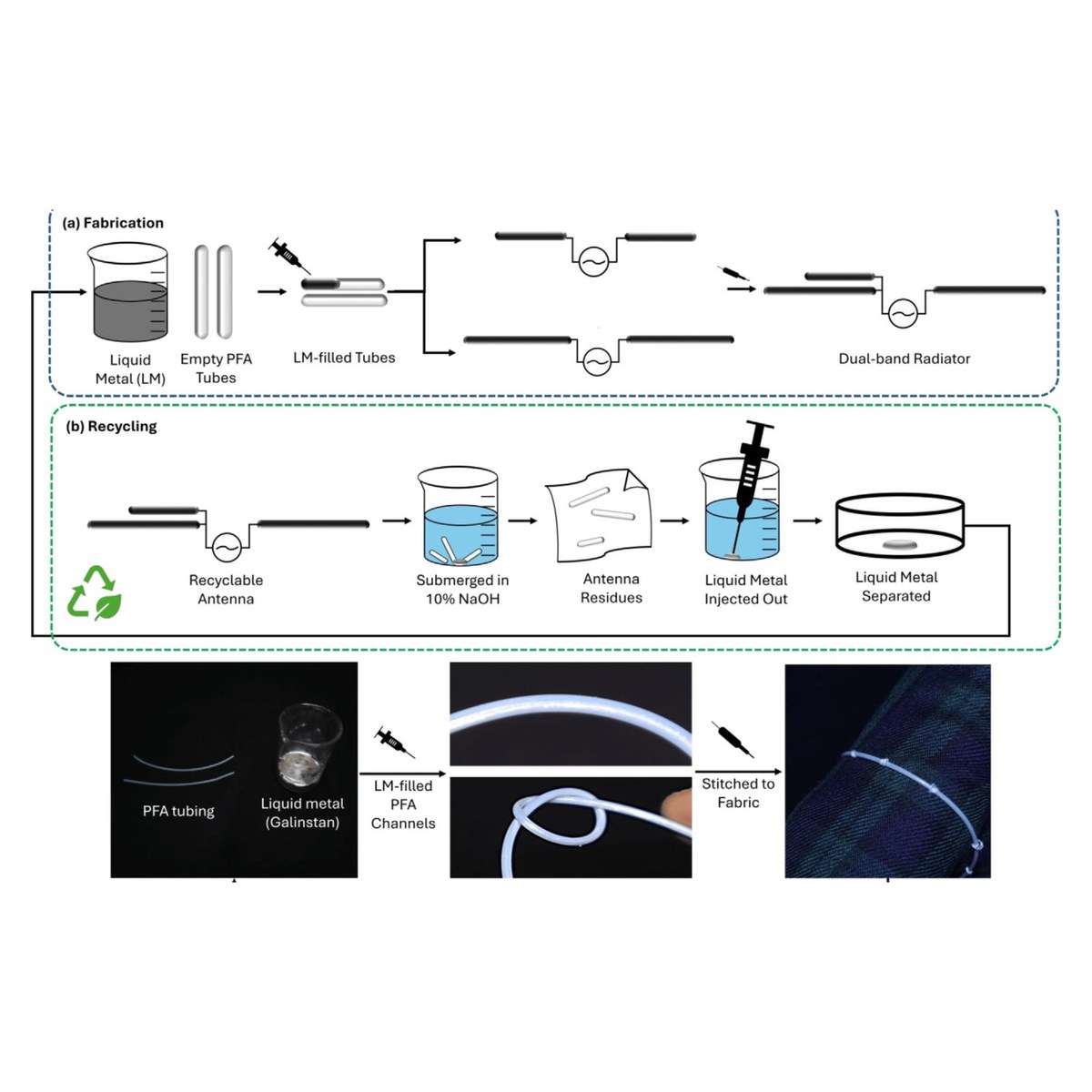
Liquid-metal-filled fibres stitched into textiles make robust dual-band wearable antennas that work both on-body and in free space. At end-of-life, over 96% of the material is recovered and the recycled liquid metal is reused in new antennas with minimal performance shift. Advanced Sustainable Systems, 2026.